Composting at home is a rewarding and eco-friendly way to reduce waste and create nutrient-rich soil for your garden. If you’re new to composting, the process might seem a bit daunting at first. However, with a few simple tips and a little patience, you can start turning your kitchen scraps and yard waste into black gold for your plants. This guide will walk you through the basics and help you get started on your composting journey.
What Is Composting?
Composting is the natural process of recycling organic materials, such as food scraps and yard waste, into a rich soil amendment. Microorganisms break down these materials into humus, which improves soil structure, nutrient content, and moisture retention.
Why Compost at Home?
– Reduces landfill waste: Composting keeps organic waste out of garbage bins, reducing methane emissions from landfills.
– Improves garden soil: Compost adds essential nutrients to your soil, promoting healthy plant growth.
– Saves money: You can reduce the need for chemical fertilizers.
– Supports sustainability: Composting is a simple way to live more sustainably and reduce your carbon footprint.
Getting Started: Choosing Your Compost System
Before you begin, decide what type of composting system suits your space and lifestyle.
Backyard Compost Bin
– Ideal for: Homeowners with outdoor space.
– Benefits: Larger capacity, faster decomposition due to better aeration.
– Tip: Use a bin with a lid to keep pests out and retain moisture.
Tumbler Composters
– Ideal for: Small spaces or less frequent turning.
– Benefits: Easy to rotate and mix compost, contained and neat.
– Tip: Turn the tumbler regularly for faster composting.
Vermicomposting (Worm Composting)
– Ideal for: Indoor composting or apartments.
– Benefits: Uses worms to break down food waste quickly.
– Tip: Use red wiggler worms and maintain proper moisture levels.
What to Compost: Understanding Green and Brown Materials
Successful composting depends on a balance between “greens” and “browns.”
Green Materials (Nitrogen-rich)
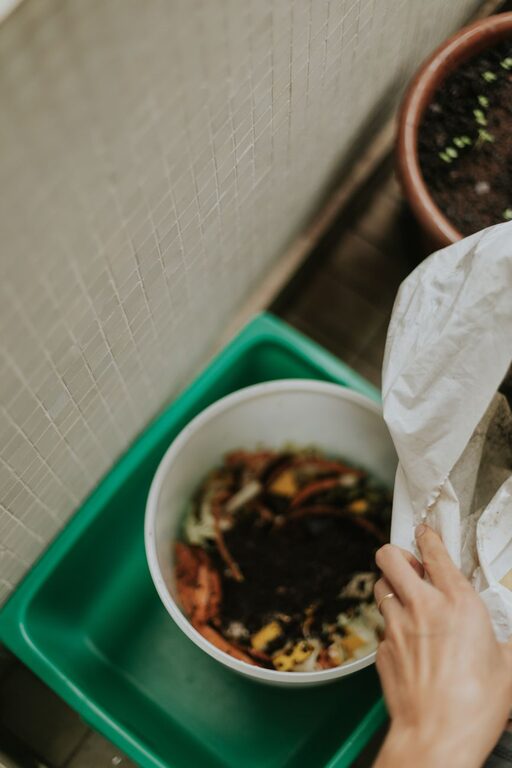
– Fruit and vegetable scraps
– Coffee grounds and tea bags
– Fresh grass clippings
– Plant trimmings
Brown Materials (Carbon-rich)
– Dry leaves
– Straw or hay
– Shredded newspaper and cardboard
– Wood chips or sawdust
Avoid Composting
– Meat and dairy products (attract pests)
– Oils and fats
– Diseased plants
– Pet waste
– Glossy or colored paper
Step-by-Step Guide to Starting Your Compost
1. Select a Spot
Choose a dry, shaded area with good drainage for your compost bin or pile.
2. Layer Materials
Start with a layer of coarse brown materials like twigs or straw for airflow. Alternate between layers of greens and browns, aiming for roughly a 2:1 ratio of browns to greens.
3. Maintain Moisture
Your compost should be as damp as a wrung-out sponge. Water the pile if it becomes too dry, and cover it with a tarp during heavy rain.
4. Turn the Pile
Aerate by turning the compost every 1-2 weeks to speed up decomposition and prevent odors.
5. Monitor Temperature
A healthy compost pile heats up as microorganisms work. Warmth is a good sign but if it cools, turning the pile can help revive it.
Troubleshooting Common Compost Issues
– Bad odor: Too much green material or lack of aeration. Add more brown materials and turn the pile.
– Pile is too dry: Water the compost.
– Pile is too wet or soggy: Add more brown materials and mix to increase airflow.
– Food scraps not decomposing: Chop scraps into smaller pieces and ensure proper moisture and aeration.
Harvesting Your Compost
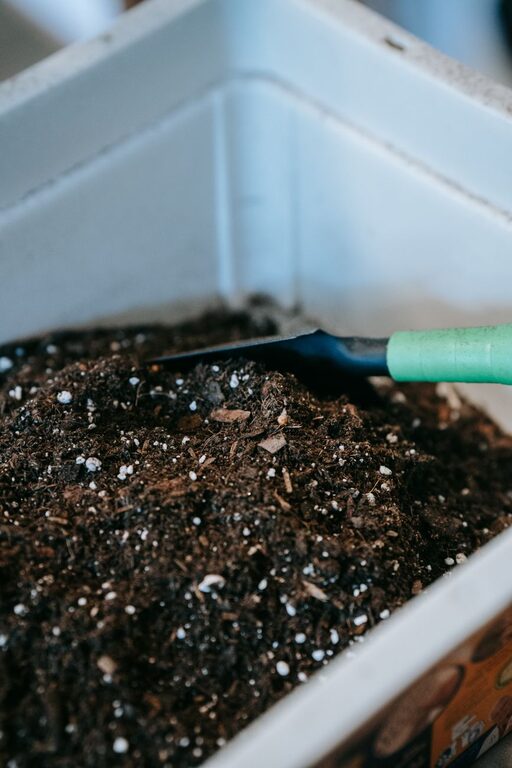
Compost is ready when it looks dark, crumbly, and earthy — usually after 3-6 months. Use it to enrich your garden beds, potted plants, or lawn.
Additional Tips for Successful Composting
– Chop or shred materials to speed decomposition.
– Avoid adding weeds that have gone to seed.
– Use a compost thermometer for best results.
– Be patient; composting is a natural process that takes time.
Final Thoughts
Composting at home is a simple way to contribute to a healthier environment while benefiting your garden. By starting with the right setup, learning what to compost, and maintaining your pile properly, you’ll be rewarded with rich, natural fertilizer that keeps your plants thriving. Give it a try, and enjoy the satisfaction of turning waste into something valuable!
Happy composting!
About the Author