
Reducing food waste is an important step toward living more sustainably and saving money. It may seem like a small change, but the amount of food wasted worldwide adds up quickly and impacts the environment and your wallet. Fortunately, there are many simple strategies you can use at home to cut down on food waste. Here are practical tips to help you get started.
Understand the Impact of Food Waste
Before diving into the solutions, it’s helpful to know why reducing food waste matters. When food is thrown away, all the resources used to grow, transport, and package that food are wasted as well. This includes water, energy, and labor. Additionally, food waste contributes to greenhouse gas emissions when it decomposes in landfills.
By minimizing waste, you conserve resources, reduce pollution, and save money by getting the most out of the food you purchase.
Plan Your Meals and Shop Smart
Make a Weekly Meal Plan
One of the most effective ways to reduce food waste is by planning your meals ahead of time. Create a simple menu for the week based on what you already have and what you need to buy. This helps prevent impulse purchases and ensures you only buy what you will actually use.
Write a Detailed Shopping List
Use your meal plan to write a clear shopping list. Stick to the list when you go to the store. Avoid buying items that aren’t needed, especially perishable goods that may spoil before you can eat them.
Shop More Frequently, But Buy Less
Buying fresh food more often but in smaller amounts can help reduce spoilage. If your schedule allows, consider visiting the store a few times a week instead of stocking up on large quantities that may go unused.
Store Food Properly
Understand Proper Storage Techniques
Different foods require specific storage conditions to stay fresh longer. For example:
– Keep leafy greens in airtight containers with a paper towel to absorb moisture.
– Store fruits like apples and bananas separately because some release gases that cause other produce to ripen faster.
– Keep bread in a cool, dry place or freeze it to prevent mold.
Label Leftovers with Dates
Use labels or masking tape to mark the date when leftovers are stored. This helps you track how long food has been in the fridge and encourages you to eat it before it spoils.
Use Leftovers Creatively
Reinvent Meals
Instead of throwing away leftovers, transform them into new dishes. For example:
– Use roasted vegetables in omelets or sandwiches.
– Turn stale bread into croutons or bread pudding.
– Combine leftover rice and veggies into a stir-fry.
Practice “First In, First Out” (FIFO)
When storing food, place recently purchased items behind older ones. This helps ensure older food is used first and reduces the chance of spoilage.
Preserve Food for Later Use
Freeze Excess Food
If you cook large portions or have perishable items nearing their expiration date, freezing is a great option. Many fruits, vegetables, cooked grains, and proteins freeze well.
Try Pickling or Canning
Preserving certain foods through pickling or canning extends their shelf life and allows you to enjoy seasonal produce year-round.
Compost Food Scraps
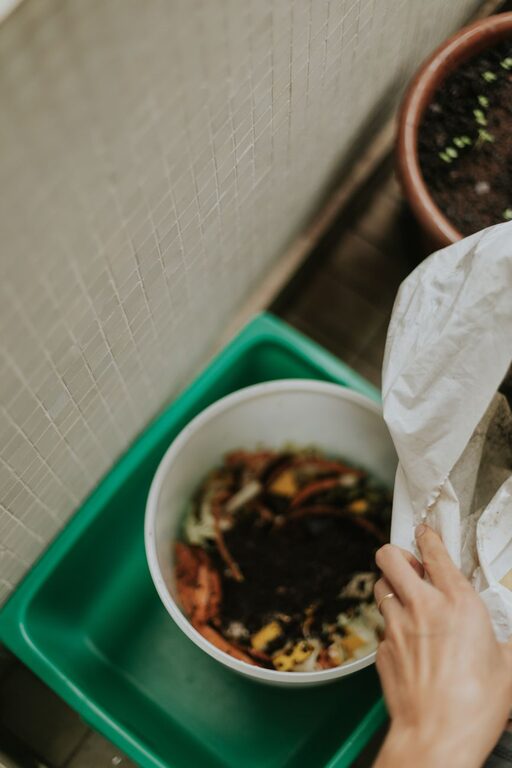
Even with all precautions, some food scraps are inevitable. Composting kitchen scraps such as vegetable peels, coffee grounds, and eggshells turns waste into nutrient-rich soil for your garden. If composting isn’t possible at home, look for local community gardens or composting programs.
Shop Locally and Seasonally
Buying locally grown and seasonal produce often means fresher food that lasts longer. Farmers markets or local grocery stores are good places to find these options. Seasonal items are usually harvested at peak freshness, which can reduce spoilage.
Educate Your Household
Reducing food waste is easier when everyone in the household is on board. Share these tips with family members and encourage mindful shopping, cooking, and eating habits. You can create a weekly check-in to discuss what was used and what could be improved.
Track Your Progress
Keeping an eye on your food waste can motivate lasting changes. Consider using a simple journal or app to note how much food you throw away weekly and brainstorm ways to minimize it further.
—
Reducing food waste at home is a practical way to save money and protect the planet. By planning meals, storing food properly, using leftovers creatively, and composting scraps, you can make a big difference with small daily actions. Start with one or two tips and build from there—every effort counts!
About the Author