Children’s artwork is a wonderful expression of their creativity and imagination. From colorful paintings to handmade crafts, these creations are often cherished by parents. However, as the pile of art grows, it can become overwhelming to store and organize everything neatly. If you’re looking for ways to keep your kids’ art organized without losing those special memories, this guide offers practical tips to help you manage the clutter while celebrating their creativity.
Why Organize Kids' Artwork?
Organizing kids’ art has several benefits:
– It preserves memories and milestones.
– It prevents clutter and keeps your home tidy.
– It boosts your child’s confidence by showing their work is valued.
– It makes it easy to find and display favorite pieces.
1. Create a Dedicated Art Space
Having a specific area for art supplies and finished projects encourages children to take responsibility for their creations. Here are some ideas:
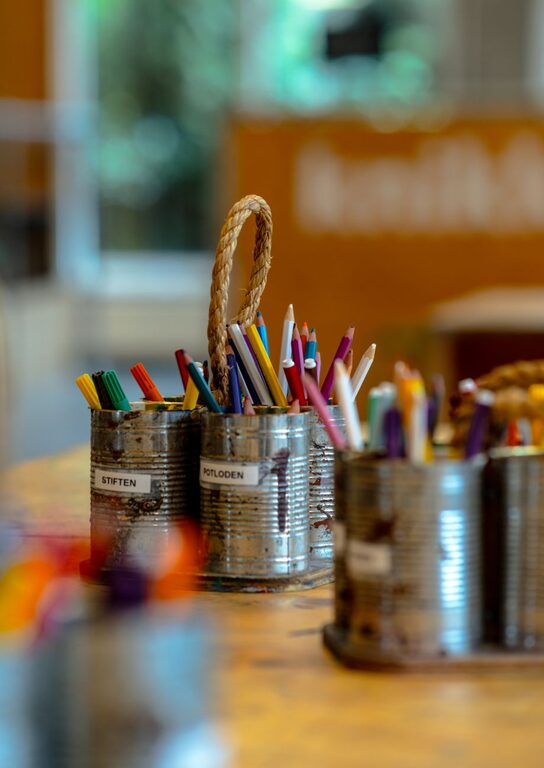
– Use a drawer or box for art tools.
– Designate a bulletin board or wall space for current artwork.
– Provide folders or bins labeled by child or date.
2. Sort Art Regularly
Sort through the artwork often—weekly or monthly—to decide what to keep, display, or discard. Encourage your child to help with this process. It’s a great way to:
– Reflect on their progress.
– Choose favorites without feeling overwhelmed.
– Let go of items that no longer hold meaning.
3. Display Artwork Creatively
Showcasing art helps children feel proud and keeps the home lively. Some ideas include:
– Rotating gallery: Use clipboards, string with clothespins, or frames with easy-access backs to swap art regularly.
– Art wall or hallway: Dedicate a portion of a wall for a gallery.
– Digital photo frames: Scan or photograph artwork and display it digitally.
4. Store Keepsakes Properly
For artwork you want to save long-term:
– Use large, flat portfolios or art storage boxes to keep pieces safe and unwrinkled.
– For 3D art like sculptures or crafts, consider clear plastic containers labeled by date or child.
– Avoid storing art in places with moisture or heat, which can damage the work.
5. Digitize Artwork
Going digital is a fantastic way to preserve art without taking up physical space. Steps to digitize include:
– Photograph or scan each piece.
– Organize digital files by date or theme.
– Create photo books, slideshows, or online galleries.
– Share digital copies with family and friends.
6. Repurpose Artwork
Get creative with old artwork by turning it into useful or decorative items:
– Greeting cards or gift wrap.
– Book covers or bookmarks.
– Collages or scrapbook pages.
– Custom calendars or magnets.
7. Use Apps and Tools for Art Organization
Several apps are designed to help parents organize kids’ artwork digitally. These apps allow you to upload, tag, and arrange digital versions of art easily. Popular options include:
– Artkive
– Keepy
– Canvsly
These tools can also help you order printed books or gifts featuring your child’s masterpieces.
8. Involve Your Child in Organization
Encourage your child to be part of the organization process. This teaches them:
– Decision-making skills.
– The value of keeping a tidy space.
– Pride in their creative journey.
Let them choose which pieces to display or digitize, and make art organization a fun activity together.
Conclusion
Keeping kids’ art organized doesn’t have to be stressful. With a little planning and creativity, you can celebrate your child’s talent while maintaining a clutter-free home. Whether you create a rotating gallery, digitize artwork, or repurpose old drawings, these tips will help you honor your child’s creativity in an organized and meaningful way. Remember, the goal is to keep the memories alive, not the clutter.
By establishing simple habits and involving your kids in the process, you can enjoy their masterpieces for years to come without feeling overwhelmed by the collection. Happy organizing!
About the Author